
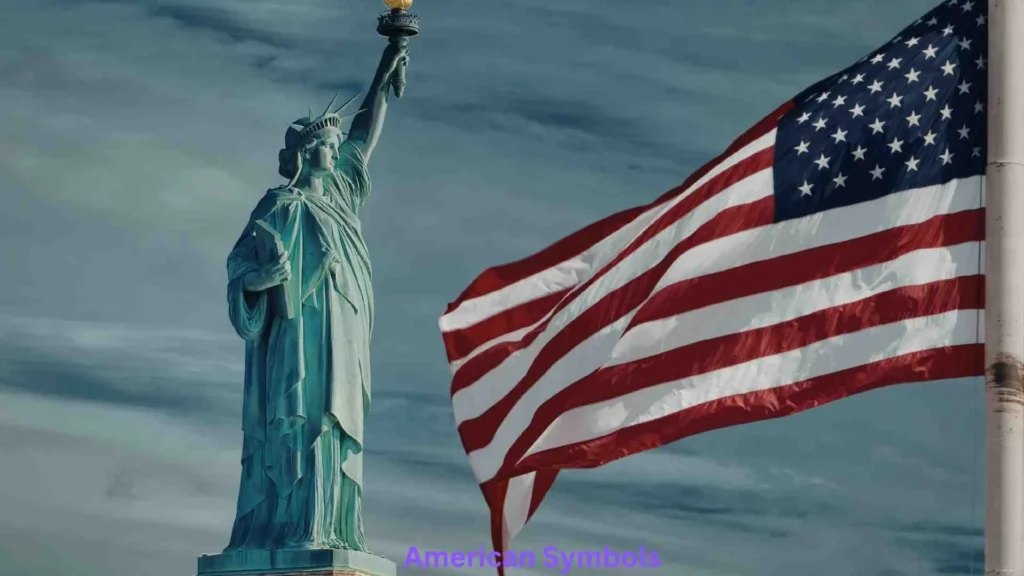
American symbols are visual icons, emblems, and signs that represent the history, values, and identity of the United States.
In short, American symbols embody freedom, patriotism, and unity.
These symbols appear in flags, monuments, national holidays, and everyday life, helping citizens connect with their heritage and cultural identity.
What Are American Symbols?
American symbols are objects, images, or signs that represent the nation’s history, values, and traditions. They often reflect freedom, democracy, and unity and can take many forms:
- Flags and banners
- National animals and birds
- Monuments and historical landmarks
- Holidays and celebrations
Purpose
- Represent national pride and identity
- Educate citizens about history and heritage
- Promote unity and patriotism
- Inspire respect and responsibility
History of American Symbols
American symbols have evolved since the founding of the United States in 1776:
- Early Symbols: The original 13-star flag represented the first states
- 19th Century: National emblems like the bald eagle became official symbols
- 20th Century: Monuments, currency, and landmarks reinforced national identity
- Modern Era: Symbols continue to appear in media, education, and pop culture
Key Highlights
- Developed through historical events like the Revolutionary War
- Adopted officially by the government or popular consensus
- Represent ideals such as liberty, courage, and justice
Types of American Symbols
American symbols can be categorized into several groups based on origin and use.
1. National Flag and Emblems
Stars and Stripes (U.S. Flag) 🇺🇸
- Meaning: Represents the 50 states (stars) and original 13 colonies (stripes)
- Use: Public buildings, schools, national holidays, ceremonies
Great Seal of the United States
- Meaning: Shows the bald eagle holding arrows (war) and olive branch (peace)
- Use: Official documents, coins, and government symbols
2. National Animals and Birds
Bald Eagle 🦅
- Meaning: Freedom, courage, and strength
- Use: Featured on coins, stamps, and military insignia
American Bison 🦬
- Meaning: Resilience and the American frontier
- Use: Symbol of conservation and heritage
3. National Monuments and Landmarks
Statue of Liberty 🗽
- Meaning: Freedom, democracy, and opportunity
- Use: Tourist attraction, educational symbol, immigration icon
Mount Rushmore 🏔️
- Meaning: Commemorates key U.S. presidents and leadership
- Use: Historical education and patriotic inspiration
4. National Holidays and Celebrations
Independence Day (July 4)
- Meaning: Celebrates freedom and nationhood
- Use: Fireworks, parades, and family gatherings
Veterans Day and Memorial Day
- Meaning: Honor military service and sacrifice
- Use: Ceremonies, flag display, and remembrance
5. National Currency and Documents
Dollar Bill and Coins 💵
- Meaning: Symbol of economic strength and national identity
- Use: Daily transactions and international representation
Declaration of Independence and Constitution
- Meaning: Symbolize liberty, justice, and governance
- Use: Educational tools, museum exhibits, national pride
Practical Applications of American Symbols
1. Education
- School lessons include the flag, seal, and historical documents
- Encourage students to understand the nation’s values and history
2. Civic Engagement
- Flags and emblems used in government buildings, courts, and elections
- Promote unity and respect for democracy
3. Media and Art
- Movies, literature, and music frequently reference national symbols
- Influence pop culture, fashion, and design
4. Tourism and Public Spaces
- Monuments like the Statue of Liberty or Mount Rushmore attract millions
- Serve as educational and patriotic sites
Impact of American Symbols on Society
1. National Unity
- Shared symbols strengthen community and cultural identity
- Promote solidarity during national events or crises
2. Historical Awareness
- Teach citizens about founding principles, struggles, and achievements
- Preserve knowledge of national heritage
3. Civic Responsibility
- Inspire respect for laws, democracy, and national duties
- Encourage active participation in elections and civic programs
4. Psychological Influence
- Symbols provide pride, reassurance, and national belonging
- Serve as reminders of freedom, courage, and opportunity
5. Global Representation
- Flag, eagle, and monuments represent the U.S. internationally
- Foster diplomacy, recognition, and cultural exchange
Interesting Facts About American Symbols
- The U.S. Flag has changed 27 times since 1777
- The bald eagle was almost extinct before becoming a national symbol
- The Liberty Bell’s crack is a symbol of perseverance
- Mount Rushmore’s presidents were chosen to represent expansion, preservation, and development
- American symbols are widely featured in movies, cartoons, and merchandise
Modern-Day Examples of American Symbols
1. Patriotic Jewelry and Apparel
- Stars, stripes, and eagles used in fashion for national pride
- Popular during holidays like Fourth of July
2. School Programs and Ceremonies
- Flag-raising ceremonies teach respect and history
- Student projects often feature American symbols
3. Digital Media
- Emojis like 🇺🇸 or 🦅 used to represent America online
- Government websites display seals for official communication
4. Public Buildings and Monuments
- Flags displayed on government offices, schools, and parks
- Monuments used for tourism, education, and remembrance
5. Sports and Events
- National symbols displayed during Olympics, World Cup, and local events
- Promote patriotism and unity among fans
Benefits of American Symbols
- Enhance national identity and pride
- Educate citizens about history and values
- Encourage unity and civic engagement
- Serve as cultural and artistic inspiration
- Promote respect and admiration internationally
Real-Life Examples
Example 1: Flag in Schools
- Displays patriotism and teaches history
Example 2: Statue of Liberty Tours
- Educates visitors about freedom and democracy
Example 3: Presidential Seals
- Authenticate official documents and convey authority
Example 4: National Holidays
- July 4 celebrations strengthen community and unity
Example 5: Eagle Emblems
- Represent military strength and courage
Frequently Asked Questions (FAQs)
1. What are American symbols?
They are objects, emblems, or icons representing the United States’ history, values, and identity.
2. Why are American symbols important?
They promote national unity, historical awareness, and civic pride.
3. Can American symbols be used in daily life?
Yes, through clothing, jewelry, educational programs, and public displays.
4. Are American symbols recognized internationally?
Yes, symbols like the U.S. flag and bald eagle are widely recognized around the world.
5. How do symbols influence society?
They foster patriotism, respect for democracy, cultural identity, and global recognition.
Conclusion
American symbols are more than just images they are powerful representations of freedom, history, and national pride.
From the flag and bald eagle to the Statue of Liberty, these symbols educate, inspire, and unite citizens.
Understanding and respecting these symbols strengthens cultural identity, civic responsibility, and global awareness.
Their continued presence in daily life, education, and media ensures that American ideals remain alive for future generations.

Isaac Wellington
I’ve always been fascinated by the hidden stories in everyday life and the power of words to change how we see the world. Writing, for me, isn’t just a profession—it’s a way to explore human emotions, mysteries, and the unexpected twists of life. Over the years, I’ve dedicated myself to creating stories that linger in your mind long after the last page. When I’m not writing, you’ll usually find me wandering through old libraries or sketching ideas in a notebook. I believe every story has a heartbeat, and I aim to capture that rhythm in my work. Join me on a journey where imagination meets reality, and the ordinary becomes extraordinary.
Books:
-
Shadows of the Forgotten
-
Whispers Through Time