Alchemy symbols are ancient signs used to represent nature, transformation, and spiritual growth.
These symbols helped early thinkers explain complex ideas about the universe, life, and inner change in a simple visual form.
From elements like fire and water to mysterious shapes and signs, alchemy symbols connect science, philosophy, and spirituality.
Even today, they continue to inspire curiosity, creativity, and deeper understanding.
What Are Alchemy Symbols?
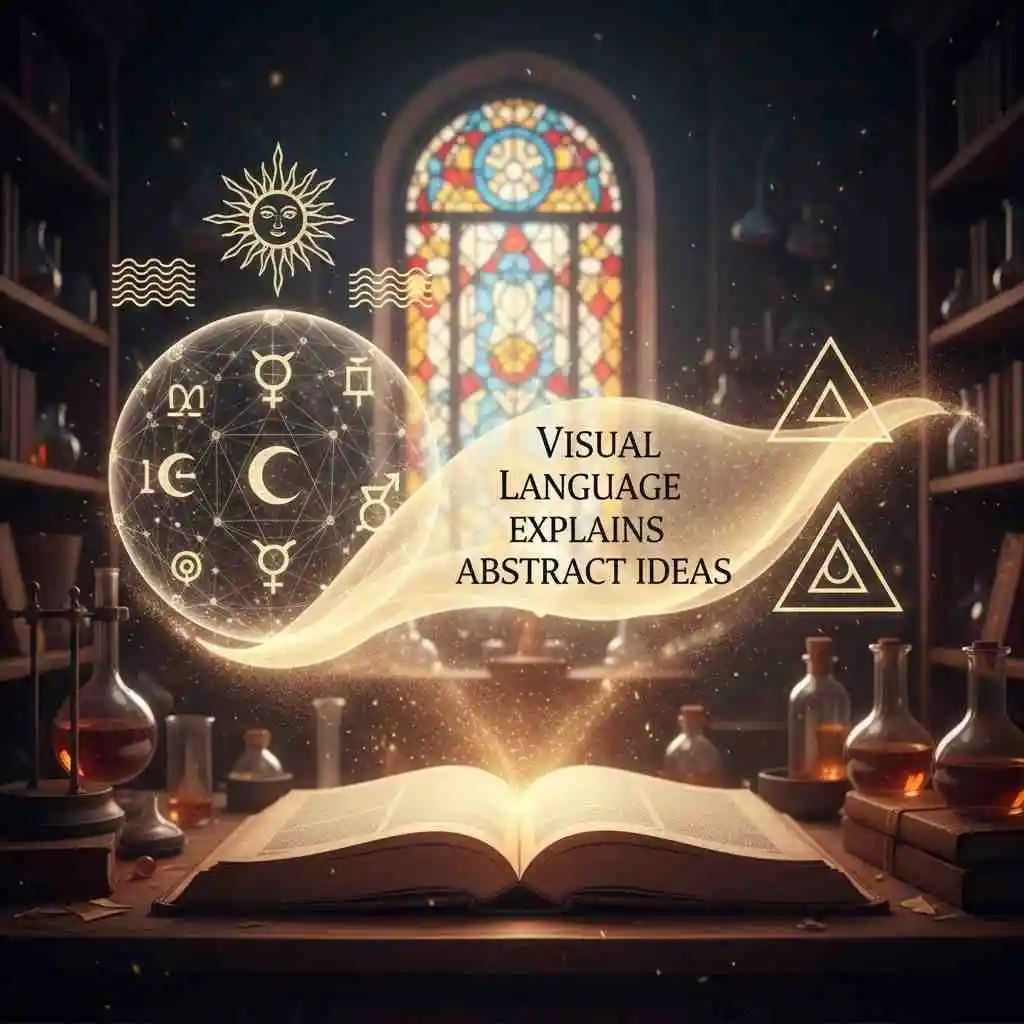
Alchemy symbols are graphic marks, shapes, or icons used by alchemists to express complex ideas secretly and efficiently. Since alchemy mixed science, philosophy, spirituality, and mysticism, words alone were not enough. Symbols acted like a universal language.
Alchemists believed that everything in the universe was connected. Therefore, each symbol often had multiple meanings—physical, mental, and spiritual.
Why Symbols Were Important in Alchemy
- Many alchemists worked in secret due to religious or political risks
- Symbols protected sacred knowledge from misuse
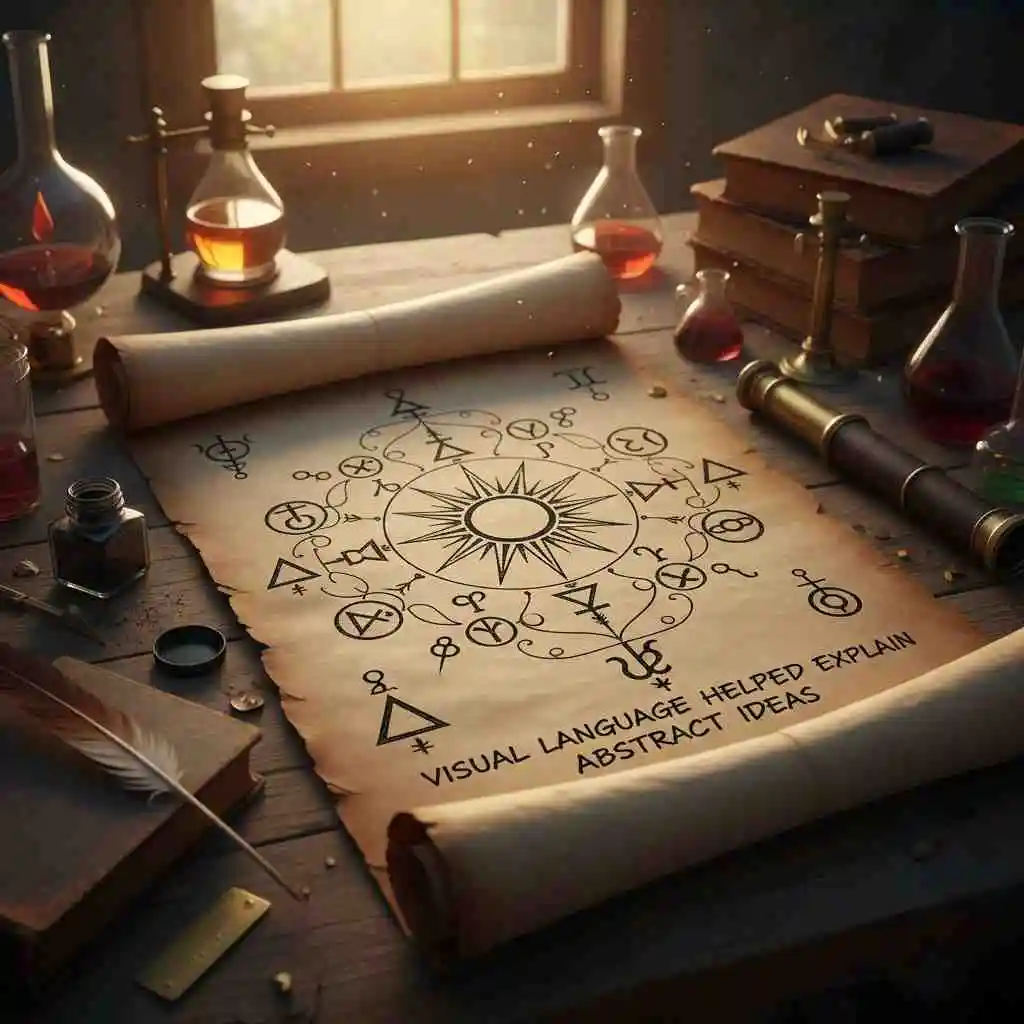
- Visual language helped explain abstract ideas
- Symbols allowed ideas to cross language barriers
Historical Background of Alchemy Symbols
Alchemy began thousands of years ago and developed across many cultures.
Origins of Alchemy
- Ancient Egypt: Often called the birthplace of alchemy
- Greece: Philosophers like Aristotle influenced alchemical ideas
- Islamic Golden Age: Scholars preserved and expanded alchemical texts
- Medieval Europe: Alchemy became linked with Christianity and mysticism
The word alchemy comes from the Arabic “al-kīmiyā”, meaning “the art of transformation.”
Use of Symbols in Ancient Texts
Ancient manuscripts rarely explained symbols clearly. This forced students to think deeply, reflect spiritually, and earn knowledge through discipline.
Core Principles Behind Alchemy Symbols
Before understanding individual symbols, it helps to know the ideas behind them.
Transformation
Alchemy was not only about changing metals—it symbolized personal growth and spiritual awakening.
Unity of Opposites
Many symbols show balance:
- Male and female
- Sun and moon
- Fire and water
As Above, So Below
This famous alchemical phrase means:
What happens in the universe also happens inside us.
Symbols often connect the cosmos with human consciousness.
The Four Classical Element Symbols
One of the most important groups of alchemy symbols represents the four classical elements.
Fire Symbol
- Shape: Upward-pointing triangle
- Meaning: Energy, passion, purification
- Practical example: Fire used in laboratories to refine metals
Fire also symbolized inner strength and transformation.
Water Symbol
- Shape: Downward-pointing triangle
- Meaning: Emotion, intuition, healing
- Spiritual role: Cleansing the soul
Water symbolized adaptability and emotional wisdom.
Air Symbol
- Shape: Upward triangle with a horizontal line
- Meaning: Intellect, communication, breath of life
- Application: Used to describe mental clarity
Earth Symbol
- Shape: Downward triangle with a horizontal line
- Meaning: Stability, physical body, material world
Earth represented grounding and practical reality.
The Three Primes (Tria Prima) Symbols
Developed by Paracelsus, the Three Primes are central alchemy symbols.
Sulfur
- Represents: Soul, desire, passion
- Linked with: Fire and masculinity
- Meaning: The active force
Mercury
- Represents: Mind, communication, fluidity
- Linked with: Spirit and transformation
- Meaning: Connection between body and soul
Salt
- Represents: Body, stability, structure
- Meaning: The physical form
Together, sulfur, mercury, and salt explained human existence.
Metal Symbols in Alchemy
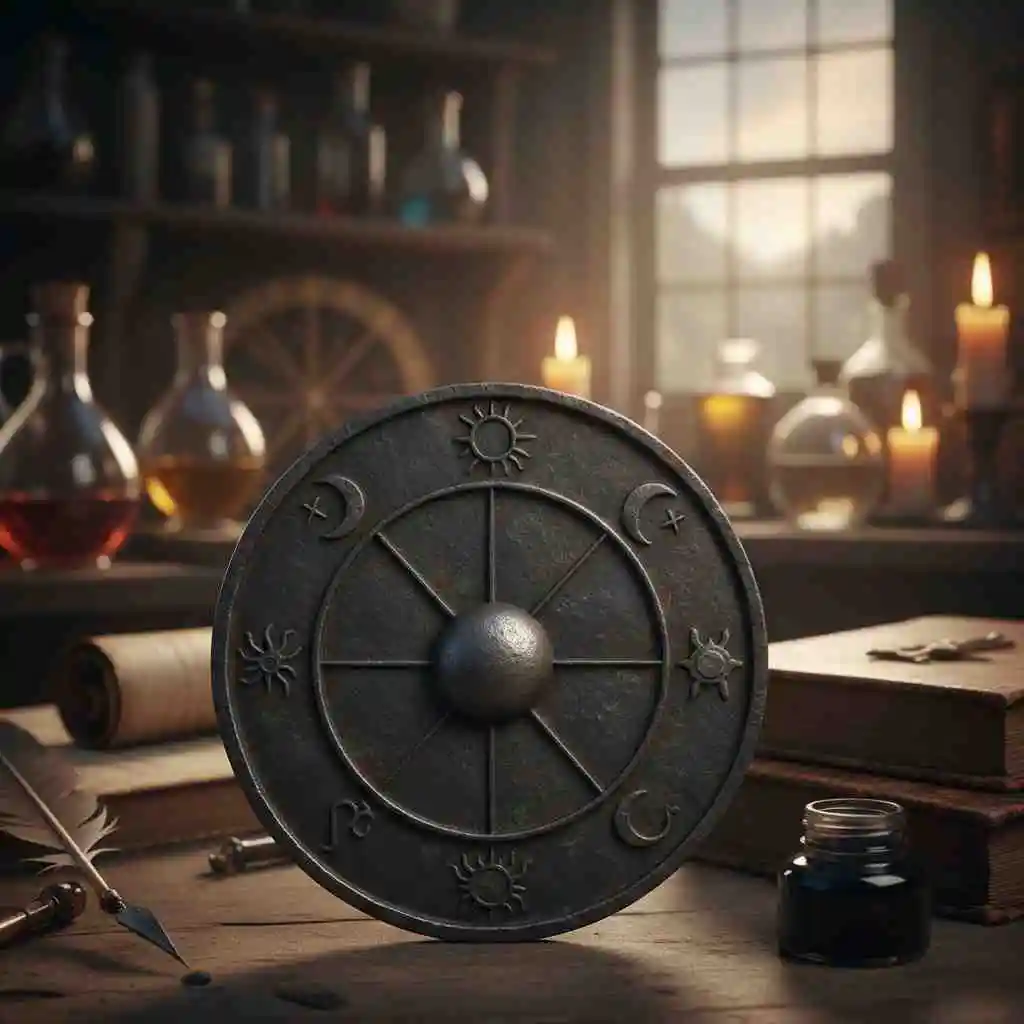
Each metal symbol was linked to a planet and human qualities.
Gold (Sun)
- Symbol: Circle with a dot
- Meaning: Perfection, enlightenment
- Goal of alchemy: Create spiritual “gold”
Silver (Moon)
- Meaning: Purity, intuition, reflection
- Linked with emotions and subconscious
Iron (Mars)
- Meaning: Strength, courage, conflict
- Used to represent war and action
Copper (Venus)
- Meaning: Love, beauty, harmony
Lead (Saturn)
- Meaning: Limitation, decay, ignorance
- First stage of transformation
The Philosopher’s Stone Symbol
The Philosopher’s Stone is the most legendary of all alchemy symbols.
What It Represented
- Immortality
- Ultimate wisdom
- Spiritual enlightenment
It was never just a physical stone. Most alchemists believed it symbolized inner perfection.
Famous Legends
- Nicolas Flamel, a French scribe, was rumored to create it
- Many stories describe it as red or white
The Ouroboros Symbol
The Ouroboros, a serpent eating its own tail, is one of the oldest alchemy symbols.
Meaning
- Eternal cycle
- Death and rebirth
- Self-renewal
This symbol teaches that endings are also beginnings.
Alchemy Symbols in Spiritual Growth
Alchemy symbols are still used today in personal development.
Inner Alchemy
Modern thinkers interpret alchemy as:
- Transforming fear into strength
- Turning ignorance into wisdom
Psychological Interpretation
Psychologist Carl Jung believed alchemy symbols represented stages of human consciousness.
Practical Applications of Alchemy Symbols Today
Although alchemy is no longer a science, its symbols remain useful.
Education
- Teaching symbolism and critical thinking
- Understanding historical science
Art and Design
- Tattoos
- Logos
- Sacred geometry
Spiritual Practices
- Meditation
- Journaling
- Visualization
Modern Chemistry
Alchemy laid the groundwork for chemistry by:
- Encouraging experimentation
- Studying matter transformation
Impact and Benefits of Alchemy Symbols on Society
Alchemy symbols influenced many areas of civilization.
Scientific Progress
- Inspired early chemistry
- Encouraged observation and testing
Cultural Influence
- Appears in literature, movies, and games
- Used in fantasy worlds and storytelling
Personal Empowerment
- Helps people understand life cycles
- Encourages self-improvement
Interesting Facts About Alchemy Symbols
- Alchemy texts often mixed art and science
- Symbols were different across regions
- Some symbols are still undeciphered
- Alchemy influenced astrology and medicine
Common Misunderstandings About Alchemy Symbols
Myth: Alchemy Was Only Magic
Truth: It was an early form of science mixed with philosophy.
Myth: All Alchemists Wanted Gold
Truth: Many sought wisdom and spiritual truth.
Alchemy Symbols in Modern Media
Alchemy symbols are popular today.
Books and Movies
- Harry Potter
- Fullmetal Alchemist
- The Alchemist by Paulo Coelho
Video Games
- Role-playing games use symbols for magic systems
Frequently Asked Questions (FAQs)
1. What are alchemy symbols used for?
Alchemy symbols were used to represent elements, metals, spiritual ideas, and transformation processes.
2. Are alchemy symbols religious?
They are spiritual but not tied to one religion. They combine philosophy, mysticism, and science.
3. Is alchemy real or fictional?
Alchemy was a real historical practice that influenced modern chemistry.
4. Why are alchemy symbols still popular today?
They represent transformation, growth, and deep meaning, which still resonates with people.
5. Can anyone learn about alchemy symbols?
Yes, they are accessible to beginners, students, and curious learners.
Conclusion
Alchemy symbols are more than ancient drawings they are powerful tools that explain transformation, balance, and human growth.
From elemental signs to legendary symbols like the Philosopher’s Stone, they helped people understand nature and themselves.
Even today, alchemy symbols continue to inspire science, art, psychology, and spirituality. By studying these symbols, we gain insight into both the past and our inner world.

Elliot Kensington
Elliot Kensington is a storyteller at heart, always fascinated by the hidden corners of human imagination. From a young age, he found comfort in books and the worlds they created, inspiring him to craft tales that blend emotion, suspense, and wonder. His writing journey began with short stories that captured fleeting moments of life, and over time, evolved into novels that explore both the extraordinary and the everyday. Elliot believes that every story holds a piece of the soul, and his mission is to connect readers to those moments that linger long after the last page. When he’s not writing, he enjoys exploring nature, capturing moments through photography, and seeking inspiration in the little things.
Books by Elliot Kensington:
-
Shadows of Tomorrow
-
The Whispering Path